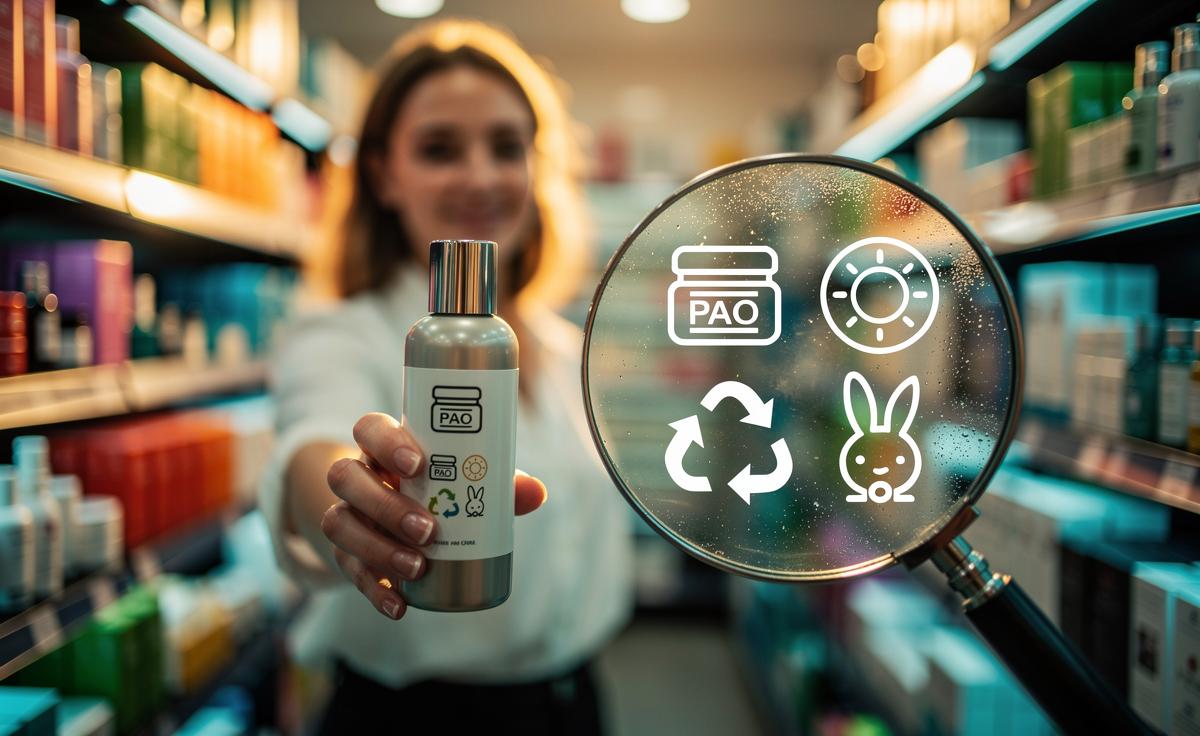
In a nutshell
- 🔍 Read the INCI list in descending order; the first five ingredients set the formula’s character—scan the tail for fragrance allergens (e.g., limonene, linalool) and use phenoxyethanol (capped at 1%) as a rough concentration marker.
- 🧪 Treat claims with healthy scepticism: “dermatologically tested” and “hypoallergenic” aren’t strict standards; the ASA/CAP Code police wording, and “clinically proven” needs real methodology—prefer clear data and certifications like COSMOS/Soil Association and the CMA Green Claims Code.
- ☀️ For sunscreens, pair SPF with the UVA in a circle for true broad-spectrum protection; Boots star ratings help with UVA balance, but remember water-resistant ≠ waterproof and makeup SPF is rarely sufficient—reapply every two hours.
- 🕒 Don’t skip symbols: the open-jar PAO, hourglass (fixed expiry), batch code, and Responsible Person address are key safety and traceability cues that often matter more than front-of-pack slogans.
- 🌍 Sustainability decoded: follow UK OPRL component-by-component recycling guidance over vague Mobius loops; weigh refill pros vs. cons, look for stated PCR%, and favour specific, verifiable eco claims over green buzzwords.
British beauty aisles are a maze of promises: “dermatologist-approved,” “natural,” “clinically proven.” Yet the truth is often hiding in plain sight on the label. This guide decodes the UK skincare labels that matter—what’s mandated by law, what’s marketing gloss, and how to spot meaningful symbols at a glance. As a UK journalist covering this beat, I’ve watched shoppers overspend on clever claims while overlooking small icons that carry real weight. The smartest skincare choice usually starts with the ingredients list and a few tiny symbols. Here’s how to read them with confidence—and save your skin (and wallet) from confusion.
INCI Lists and Allergens: How to Read the Fine Print
The backbone of any UK skincare label is the INCI list—International Nomenclature of Cosmetic Ingredients. By law, ingredients are listed in descending order until they fall below 1%, after which the brand may list them in any order. This means the first five ingredients often tell you most about the formula’s character (e.g., water, emollients, humectants). If a star active such as niacinamide appears early, concentration is likely meaningful; if it’s nestled near the end, it’s probably present at a whisper. Watch for fragrance allergens (like limonene, linalool)—required when they exceed trace levels. If you’re reactive, scan the tail end of the INCI for those allergens first.
Two quick cues: “Alcohol Denat.” can be drying in high amounts, whereas phenoxyethanol is a common preservative capped at 1% in the UK—its position can hint at concentration tiers. Botanicals appear under Latin names (e.g., Camellia Sinensis for green tea), which can look intimidating but signal plant origin. Mini case study: after a winter flare-up, I compared two “calming” creams. One front-loaded shea butter and glycerin, while the other leaned on perfume and colorants with actives buried post-fragrance. The former soothed within days; the latter tingled on contact. Labels rarely lie—but they do rely on you to look.
Claims, Testing, and the ASA: What Words Really Mean
In the UK, claims are policed by the ASA and CAP Code, alongside cosmetic claims guidance. Yet many familiar phrases remain fuzzy. “Dermatologically tested” only means a product was tested on skin—methodology and sample size may be minimal. “Hypoallergenic” isn’t a legally defined standard; it signals reduced-likelihood of allergy, not zero risk. Treat such language as a nudge, not a guarantee. Meanwhile, “clinically proven” should be backed by evidence, but that could range from tiny in-house trials to robust third-party studies—ask brands for methodology if results sound miraculous.
“Fragrance-free” means no added scent; “unscented” can still contain masking fragrance—vital for sensitive users. Natural/organic claims are best verified by COSMOS or Soil Association logos, which set ingredient and processing standards. The CMA’s Green Claims Code also targets environmental puffery; be wary of “eco” language without specifics such as percentages or lifecycle data. For everyday shoppers, a practical hierarchy helps: 1) Does the INCI back the headline claim? 2) Is there a credible certification or study? 3) Are results quantified, time-bound, and plausible? If a claim can’t be measured or explained, it’s marketing, not medicine.
Sun Protection Decoded: SPF, UVA Circle, and Boots Stars
UK sunscreens must state SPF (UVB protection). Equally vital is the UVA in a circle symbol, meaning UVA protection equals at least one-third of the SPF—your signal of broad-spectrum cover. Some products also show the retailer-led Boots star rating (typically 3–5 stars), indicating balance of UVA across wavelengths; helpful, though not a legal requirement. Asian-style PA ratings may appear but aren’t UK-standard. “Water-resistant” claims are standardised; “very water-resistant” implies more robust wear, but neither equals “waterproof.”
Smart reading: SPF 30 vs SPF 50 seems incremental, but SPF 50 filters a larger fraction of UVB across real-world use. SPF in makeup is rarely enough because we apply too little. Reapply every two hours outdoors and after swimming or sweating, regardless of claim. Chemical vs mineral? Neither is categorically “safer”; both can be effective and well tolerated when formulated correctly. For sensitive skin, check for fragrance and potential irritants first. And remember: the best sunscreen is the one you’ll apply liberally and often.
Logos, Numbers, and Dates: The Symbols You Shouldn’t Ignore
The legal fine print often hides in icons and microtext. Look for the Responsible Person name and a UK address on the label—your route for queries and safety information. Imports should state country of origin. A batch code (e.g., “L1234”) supports quality control and recalls; keep outer packaging until you’re sure the product suits you. Shelf life depends on two symbols: if the product lasts <30 months, you’ll see a best-before hourglass; otherwise, check the open-jar PAO (“12M” = 12 months after opening). PAO isn’t a dare—if texture, colour, or scent shifts, bin it.
Here’s a quick table to decode common symbols:
| Symbol | What It Means | Why It Matters |
|---|---|---|
| Open jar “12M” | Period After Opening | Use within stated months to maintain efficacy/safety |
| Hourglass | Best before date (for < 30 months) | Signals fixed expiry; check before purchasing discounts |
| UVA in circle | Meets UVA ratio vs SPF | Confirms genuine broad-spectrum protection |
| Leaping Bunny | Cruelty-free certification | Independent audit beyond EU/UK testing bans |
| Mobius loop | Recyclable (sometimes % recycled) | Check local facilities; not a guarantee of collection |
| OPRL label | Recycle/Don’t recycle at home | UK-specific disposal guidance for components |
Bonus tip: Northern Ireland follows EU cosmetic rules; labels may list an EU-based Responsible Person address. Wherever you shop in the UK, these symbols remain your quickest trust signals.
Sustainability Signals and Packaging: Why “Recyclable” Isn’t Always Recycled
Packaging claims can mislead. The Mobius loop means technically recyclable, but local infrastructure decides destiny. The UK’s OPRL scheme is more practical: “Recycle” or “Don’t recycle at home” for each part (bottle, pump, cap). Pumps often contain mixed materials; caps may need to be on/off depending on guidance. Look for PCR (post-consumer recycled) percentages for a clearer footprint story. Refill pouches feel lighter on conscience, but not always in practice.
- Refills—Pros: Lower plastic by weight; cost savings; encourage reuse.
- Refills—Cons: Pouches can be multilayered and not kerbside-recyclable; spillage risks.
Beware vague “eco” or “sustainable” badges without numbers or standards. The CMA Green Claims Code expects specificity: percentages, certifications, or lifecycle data. Fragrance origin doesn’t equal virtue: a well-formulated synthetic can be less allergenic and more sustainable than a heavily farmed botanical. Green isn’t a colour on the box—it’s evidence you can verify. When in doubt, check the brand’s packaging policy page and your council’s recycling rules.
Decoding UK skincare labels is equal parts law, science, and common sense. Start with INCI order, verify claims with certifications or clear data, and prioritise symbols that govern safety and longevity. Small icons—UVA circles, PAO jars, batch codes—carry more truth than big slogans. Build a shortlist of brands that publish studies, list percentages for key actives, and use honest OPRL guidance. Your skin—and your budget—will thank you. Next time you’re in the aisle, what’s the first label clue you’ll check: the top five ingredients, the UVA circle, or the PAO jar?
Did you like it?4.4/5 (25)