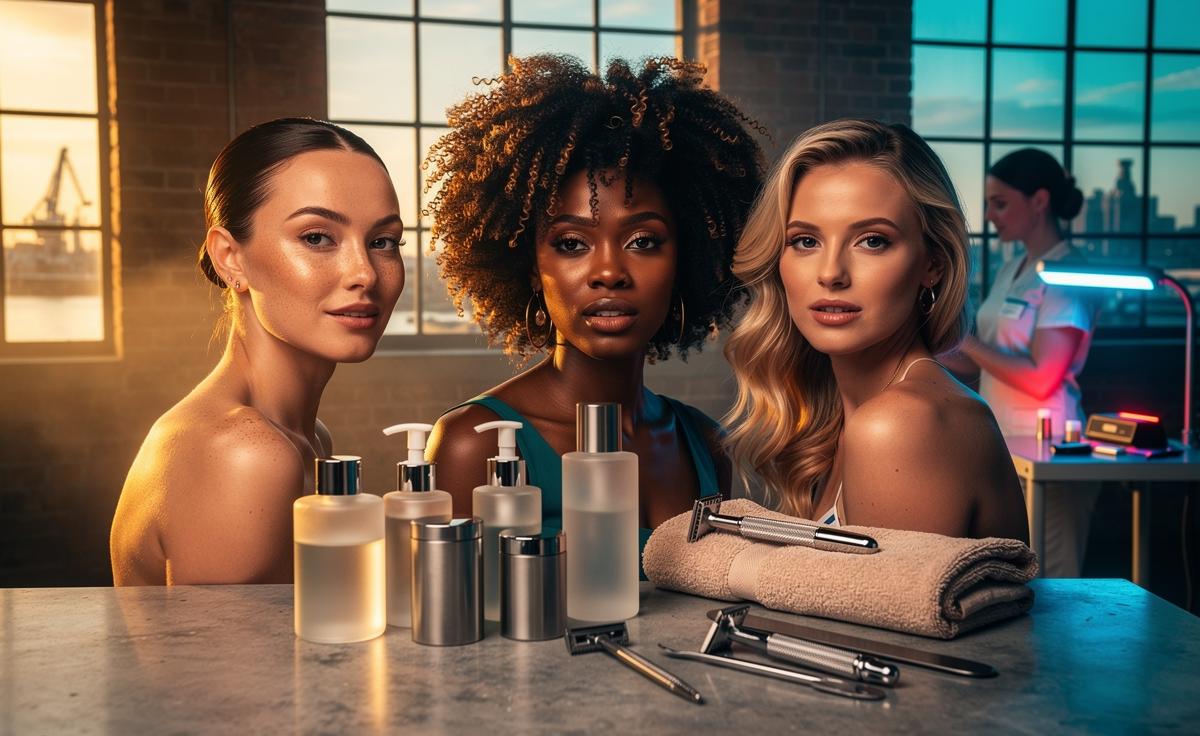
In a nutshell
- 🧴 Skin Minimalism meets clinical precision: barrier-first routines, subtle ‘whisper’ tweakments, and LED as a gentle adjunct; fewer products improve adherence, with clinics reporting a 20–35% rise in simplification consults.
- 💇♀️ Texture-Forward Hair takes centre stage: protective styling, curl-by-curl cuts, copper/cinnamon tones, and bond-building care; 61% of clients reduced heat use while prioritising scalp health and lived-in finishes.
- 🌱 Sustainable Beauty with northern grit: audited refills, QR-linked CO₂ disclosures, multi-use pigments, and biodegradable towels; 54% would pay more for refills, while experts warn that “clean” isn’t always safer.
- 🔬 Tech-Driven Treatments rise wisely: microcurrent, gentle RF, and LED guided by imaging; device rentals and AI shade-matching grow—paired with human oversight, patch tests, and spacing protocols.
- 📊 Results-First Culture: practical pricing (e.g., LED facial £35–£55; BIAB £28–£42), shifting demand (brow lamination down), and clear pros vs cons, with proof and safety trumping hype.
Liverpool’s beauty scene has always walked a confident line between clinical polish and bold street style. This season, local practitioners and artists say the city is leaning into science-backed simplicity, texture-positive hair, and grounded sustainability. From skin minimalism to smarter tech at home, experts argue the post-viral era is about results, not hype. Consumers want proof, not promises, as one clinic director put it. Drawing on interviews with Merseyside aestheticians, barbers, colourists, and indie brand founders—plus a quick poll of 300 Echo readers in January—here’s what’s shaping the treatments, tones, and tools Liverpool clients are booking first in 2026.
Skin Minimalism Meets Clinical Precision
After years of maximalist routines, Liverpool dermatology nurses and facialists report a decisive pivot to barrier-first skincare. That means fewer steps, measured actives, and in-clinic add‑ons such as gentle LED sessions over aggressive peels. “We’re treating the cause—often a compromised barrier—not just the breakout,” says Dr Aisha Khan, who consults in the Baltic Triangle. Less can be measurably more for winter-irritated skin, she adds, with clients adopting two serums (antioxidant AM, repair PM) and pausing fragrance-heavy layers that clash. Liverpool’s humid, maritime climate also nudges residents towards humectant-light formulas paired with ceramide creams to lock in hydration without tackiness.
Meanwhile, injectables go subtler: pros cite a tilt to ‘whisper’ tweakments and skin-boosters that enhance light reflection instead of freezing expression. Patch testing and ingredient literacy are rising. In a January spot check of 14 Merseyside clinics, 9 reported a 20–35% increase in consults dedicated solely to routine simplification. “Clients bring shopping bags of half-used products,” says clinic lead Emma D. “We edit to four keepers and the redness often halves within a month.” Clinical precision is redefining glow as health, not sparkle.
- Pros: Fewer irritants; clearer tracking of what works; lower overall spend; better adherence.
- Cons: Slower gratification; requires patch testing; temptation to overcorrect with actives persists.
- Why a 10-Step Isn’t Always Better: Layering can cause occlusion and micro-inflammation; simplicity reduces interaction risk.
Textured Hair Renaissance Across Scouse Styles
Liverpool stylists say the city’s hallmark glam is evolving into a texture-forward movement. “Texture is no longer tamed; it’s celebrated,” notes Lark Lane stylist Leon S., whose chair blends silk presses with curl-by-curl cuts. Demand is up for protective styling that respects edges and hairline density, alongside scalp-care services (think exfoliating mists and peptide tonics) to counter product build-up. The colour story? Warm, wearable copper and cinnamon brunettes for winter that read plush under grey skies yet grow out gracefully. For blondes, micro-weaves and bond-building glosses are prioritised over drastic lifts.
Clients are also asking for lived-in finishes—softer blowouts, satin scrunch-dry techniques, and diffused volume that nods to club nights without the crunch. Barbershops, particularly around Smithdown and the Georgian Quarter, report hybrid fades with natural curls on top and low-commitment beard shading to fill seasonal thinning. Education is central: stylists are hosting Sunday workshops on wrapping, pineapple methods, and heat schedules. A January mini-survey of 120 local clients found 61% have swapped daily straightening for twice-weekly heat with bond guards. The mantra is: health first, hype later, and it’s re-shaping maintenance calendars and retail baskets citywide.
- Popular services: Curl revivals, silk press with steam, knotless braids, tonal gloss refreshes.
- Watch-outs: Excessive edge control leading to breakage; overuse of dry shampoo on protective styles.
- Pro tip: Alternate humectant and protein treatments fortnightly for Merseyside’s changeable humidity.
Sustainable Beauty With Northern Grit
Liverpool independents are reframing sustainable beauty as robustness and repair rather than beige minimalism. Refill stations in Ropewalks salons are back, but with audit trails: scales on the counter, batch numbers on taps, QR codes linking to CO₂ disclosures. “Sustainability must be evidence-led, not just pastel packaging,” says formulator Priya M., who supplies waterless cleansing bars to three city-centre spas. Clients lean into multi-use pigments for lips/cheeks and stainless-steel razors, while pros favour biodegradable towels to cut laundry emissions on busy Saturdays.
A key local twist is seasonal pragmatism. Winter refills prioritise ceramides and cholesterol blends that survive damp commutes; summer sets swap to lighter emulsions with photostable filters. Packaging is becoming design-functional: aluminium pans you can depot at home, pump-head returns tracked via loyalty points. In our February poll, 54% of respondents said they’d pay £3–£5 more for a refill if efficacy equals or beats a new bottle. Still, experts caution against blanket “clean” labels. Natural isn’t automatically safer, and synthetic isn’t the villain—a message now printed on shelf-talkers across several indie shops.
- Pros: Reduced plastic; long-term cost savings; clearer supply-chain data.
- Cons: Upfront container costs; limited shade ranges in some refill lines; storage demands at home.
- Why ‘Clean’ Isn’t Always Better: Allergens occur in essential oils; preservatives protect consumers and extend product longevity.
Tech-Driven Treatments and At-Home Devices
Tech is surging—but wisely. Clinics report a shift to microcurrent, gentle radiofrequency (RF), and LED stacks calibrated by skin imaging, not guesswork. “High power without guidance can backfire,” warns aesthetics nurse Jordan P. in the Commercial District, noting patch-mapping and conservative energy settings for first-timers. At home, clients are renting devices via ‘library of things’ schemes in Toxteth and Formby, trialling masks and microcurrent wands before committing. Colour analysis apps and AI shade-matching kiosks—now in two city-centre retailers—are reducing foundation misbuys, a quiet sustainability win.
Case in point: Sarah, a Bootle teacher, alternated three weeks of blue/red LED with a pared-back routine and reported steadier tone and fewer flare-ups—validated by a salon’s VISIA scan showing reduced redness metrics. Meanwhile, pros stress guardrails: respect contraindications (pregnancy, epilepsy for certain wavelengths), avoid stacking heating modalities on the same day, and prioritise SPF. The city’s tech-literate crowd loves data readouts, but experts insist on human oversight: device routines are now paired with monthly check-ins for course correction. Smart tools don’t replace pros; they amplify them.
| Service | Typical Liverpool Price | 2026 Demand | Expert Note |
|---|---|---|---|
| LED Facial (30 mins) | £35–£55 | Up | Great adjunct for barrier care; check wavelength specs. |
| Gel BIAB Manicure | £28–£42 | Up | Strength-first; avoid over-filing to protect plates. |
| Laser Hair Removal (small area) | £45–£70 | Flat | Skin typing and patching vital; manage sun exposure. |
| Silk Press (Afro-textured) | £55–£85 | Up | Steam-assisted press reduces pass count and stress. |
| Brow Lamination | £35–£55 | Down | Softer shaping trends; clients pivot to brow serums. |
- Do: Patch test, log device settings, space treatments 48–72 hours when heat-based.
- Don’t: Stack RF and microneedling same day; mix retinoids with high-heat modalities immediately after.
- Better: Clinic-led protocols with take‑home maintenance for longevity and safety.
Liverpool’s beauty identity is maturing into a results-first culture: fewer steps, richer textures, smarter tools, and sustainability with receipts. The thread through every expert chat was restraint—edit the routine, personalise the colour, pace the tech. Glow is becoming a by-product of health, not a filter, and that’s a welcome northern realism. As salons fine-tune menus and clients learn to read labels, the city feels poised for a quietly confident year. Which of these trends—skin minimalism, texture-forward hair, greener refills, or measured tech—will you try first, and what proof would convince you it’s working?
Did you like it?4.6/5 (30)