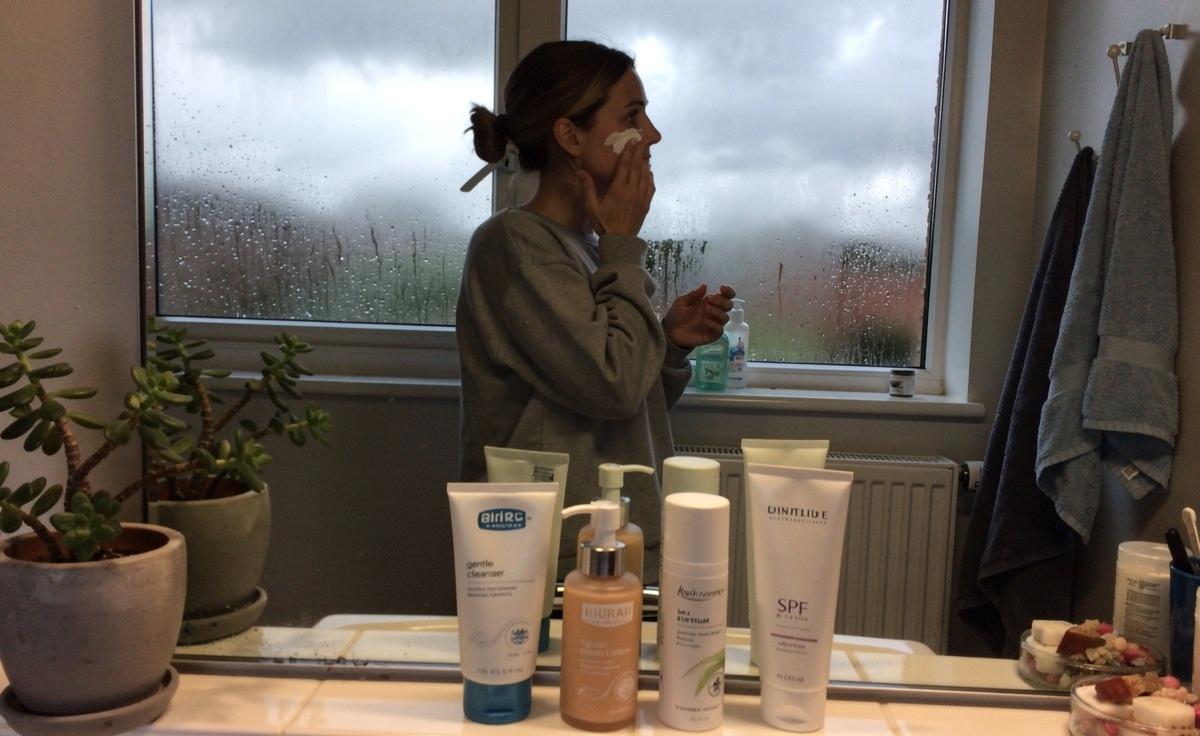
In a nutshell
- 🌦️ UK’s shifting climate—humidity, wind, UV, and central heating—drives barrier-first, modular routines to curb TEWL and city pollution stress.
- 🛡️ Daily adaptors: AM defence with humectants + light emollients + SPF 30–50; PM repair with retinoids/PHAs and ceramides/squalane; quick tweaks like a squalane drop, hydrating mist, and powder SPF reapplication.
- 🍁 Seasonal and regional switches: adjust texture weight, not steps; coastal salinity vs. inland wind needs; pollution areas benefit from nightly antioxidants—backed by case notes from Glasgow and London.
- 🧪 Ingredients, Pros vs. Cons: Humectants need sealing in dry heated air; occlusives excel in winter but can congest in humidity; mineral vs. organic SPF trade-offs; avoid overusing acids—lean on azelaic acid and barrier lipids.
- 🎒 Practical toolkit: carry a “climate clutch” (mini humectant serum, balm, powder SPF), keep SPF non-negotiable under clouds, and tweak amounts by forecast for a sustainable, UK-proof routine.
The UK’s capricious skies are both cultural wallpaper and dermatological challenge. One hour brings drizzle, the next a squint of sunshine, and somewhere in between your moisturiser either pills or vanishes. To keep pace, a personalised skincare routine must flex with humidity, wind, UV, and indoor central heating. Think of it as wardrobe layering for your face: breathable bases, weatherproof outers, and smart accessories. Your skin’s barrier is your best brolly—protect it, and it will protect you. Below, I map a journalist’s field guide to adapting products and habits for UK weather, backed by practical insights, London-to-Leeds anecdotes, and strategies you can deploy tomorrow morning.
What UK Weather Does to Your Skin
Britain’s maritime climate means persistent humidity, sharp wind-chill, and sudden temperature swings. Moist air can help retain water at the surface, yet wind and cold accelerate transepidermal water loss (TEWL)pollution particulates cling to the natural lipid film, nudging inflammation and dullness. Indoors, central heating creates a desert in disguise, evaporating moisture from the stratum corneum while you answer emails. Summer brings milder UV than Mediterranean destinations but still enough for cumulative damage. Don’t confuse cloud cover with safety—UV penetrates overcast skies, and the British habit of “just popping out” often happens without SPF.
Skin responds to these microclimates with mixed messages: oily T-zones from humidity, tightness along the jaw from wind, and sensitivity after long commutes. The fix isn’t maximalism; it’s modular skincare. Swap single-purpose heroes for smart, layerable textures—light humectants that attract water, resilient emollients that fill micro-cracks, and judicious occlusives that lock hydration when air is dry. Barrier-first thinking beats trend-chasing every time. A balanced routine cushions against volatility, reduces over-correction (like harsh mattifiers after a humid school run), and builds resilience you can see in the mirror by week’s end.
Daily Routine That Adapts on the Fly
Morning in the UK is about low-friction defence. Start with a gentle non-stripping cleanser or just a lukewarm rinse if your night routine was rich. Follow with a humectant serum (glycerin, hyaluronic acid, pro-vitamin B5) to preload moisture. Seal with a light emollient moisturiser and a broad-spectrum SPF 30–50. If wind is up, finish with a balm around the nose and cheekbones as a windbreak. Commuters benefit from antioxidants (vitamin C, ferulic, resveratrol) beneath sunscreen to buffer pollution. Think sandwich: water magnets first, then sealants, then UV armour. Makeup wearers can choose mineral SPF primers to minimise pilling while maintaining photoprotection.
Evening is repair hour. Use a gentle cleanse + short-contact second cleanse if SPF and makeup were heavy. Rotate retinoids or PHA/AHA depending on sensitivity—cooler, drier weeks favour PHAs for a softer edge. Rebuild with ceramides, squalane, and cholesterol; top with a thin occlusive (petrolatum or shea) if radiators hum. A London nurse told me her breakthrough was a “raincoat” approach: lighter layers October to March, a micro-occlusive where her mask rubbed, and SPF even on night shifts ending after sunrise. Small, strategic shifts cut winter flares in half. Skincare that flexes beats skincare that fights.
- Rapid tweaks: add one drop of squalane to day cream on windy days.
- Keep a mini hydrating mist for radiators and trains—press, don’t rub.
- Blot midday oil, then re-up SPF with a powder sunscreen.
Seasonal Switches and Regional Nuance
From the Scottish Highlands to Cornwall’s coasts, conditions change—and so should textures. Winters are brisk, humidity variable, and indoor heating relentless; summers skew mild yet bright with longer daylight hours. If you’ve ever felt dewy in Brighton but parched in York, you’ve met the region-weather-skin triangle. The rule: adjust weight, not steps. Keep cleanser, hydrate, moisturise, and protect; dial textures lighter or richer with the forecast. Coastal air adds salinity that can irritate eczema-prone skin; inland wind calls for heavier emollients. In high-pollution pockets, a nightly antioxidant cleanse and barrier restore pays dividends by the week.
| Season | AM Focus | PM Focus | Watch-outs |
|---|---|---|---|
| Autumn | Hydrating serum + light emollient + SPF 50 on bright days | Ceramides, PHA weekly, optional thin occlusive | Wind-burn; test retinoids slowly |
| Winter | Humectant + richer moisturiser + SPF 30; balm on cheeks | Retinoid 2–3x weekly; squalane; humidifier if heated | Radiator dryness; tightness around mouth |
| Spring | Antioxidant + gel-cream + SPF 50 | Gentle exfoliation; lighten occlusives | Pollen sensitivity; pilling from over-layering |
| Summer | Lightweight layers; matte or mineral SPF | Aloe/niacinamide; minimal occlusion | Sweat + sebum; reapply sunscreen |
Case file: Aisha in Glasgow (combination skin) reduced winter flaking by swapping gel-cream for a mid-weight moisturiser, then spot-sealing with petrolatum on wind-prone patches. James in London (oily) stayed shine-free by using a niacinamide serum and powder SPF at lunch, not a drying foaming wash. Small regional cues—wind speed, heating habits, commute length—matter as much as your skin type.
Ingredients That Work in a Maritime Climate: Pros vs. Cons
Ingredients behave differently when the air shifts. Humectants (glycerin, hyaluronic acid, polyglutamic acid) shine in moderate humidity but need an emollient topcoat in heated rooms. Occlusives (petrolatum, lanolin, shea) are winter MVPs yet can feel heavy during humid spells unless used sparingly. For sunscreen, mineral filters (zinc, titanium) excel for sensitive skin and quick reapplication; organic filters feel lighter and makeup-friendly. Why “stronger” isn’t always better: ramping up acids when skin already battles wind and heating often backfires, weakening the barrier you’re trying to perfect. Balance stimulation (retinoids) with barrier lipids and anti-inflammatory allies like azelaic acid.
Pros vs. Cons snapshot you can borrow on a rainy Tuesday:
- Humectants — Pros: immediate plump; Cons: can backfire in dry heated air without sealant.
- Emollients — Pros: smooth, flexible barrier; Cons: may feel greasy if over-applied.
- Occlusives — Pros: superb winter shield; Cons: potential congestion if used broadly in humidity.
- Mineral SPF — Pros: sensitive-skin friendly; Cons: cast on deeper skin tones unless tinted.
- Organic SPF — Pros: elegant textures; Cons: may sting very reactive eyes.
Pro tip from the road: carry a “climate clutch”—travel minis of humectant serum, balm, and powder SPF. Adaptation beats perfection in the UK, every time.
Personalising for UK weather is about reading the sky and your skin with equal fluency. Build a routine you can flex—a hydrating core, protective edges, and seasonal switches—and you’ll sidestep most flare-ups without a bathroom overhaul. Keep products few, textures smart, and SPF non-negotiable. When the forecast shifts, edit amounts before you swap formulas. The best routine is the one you can sustain on busy British mornings. What one small change—more hydration, gentler cleansing, or smarter SPF—will you try this week to help your skin thrive under UK skies?
Did you like it?4.4/5 (25)