In a nutshell
- ✨ Clarity over novelty: real UK consultations show personalised, explainable, affordable plans deliver better results than product hype.
- 🏥 Service comparison: clinics vs pharmacies vs virtual vs NHS—choose what you can sustain for 8–12 weeks for visible change.
- 🛡️ Skin-first strategy: prioritise barrier repair, SPF coaching, patch testing, and gradual retinoid titration to cut irritation.
- 📸 Accountability wins: baseline photos, check-ins, and simple routines boost consistency and outcomes across budgets.
- 👩🦰 Case studies: Sarah (melasma), Amrita (perimenopause dryness), Nia (acne) achieved progress via tailored plans, follow-up, and budget-smart swaps.
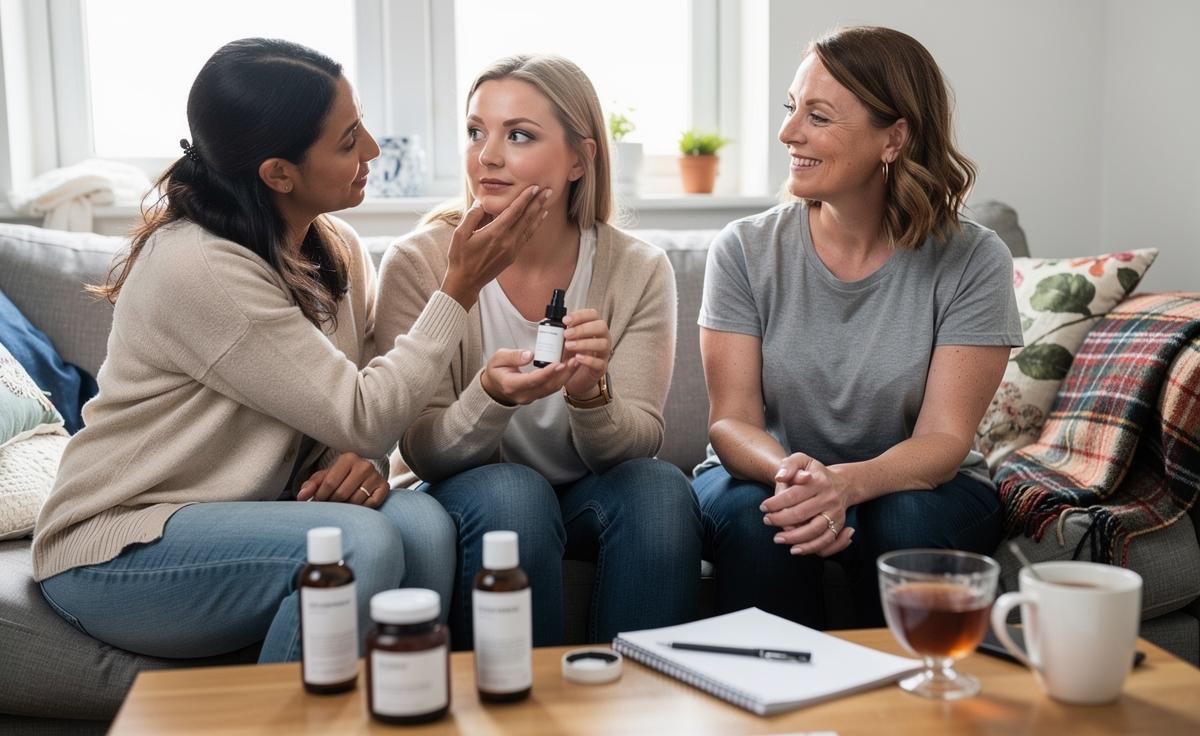
Across the UK, women are quietly stress-testing today’s booming skincare consultation market—from NHS triage and high-street boutiques to pharmacist counters and video dermatology. In interviews and shadowed sessions, the most striking theme emerges: clarity beats novelty. When advice is personalised, explainable, and affordable to sustain for three months or more, results tend to follow. The most transformative moments weren’t flashy treatments but sharp, specific guidance—like simplifying a morning routine or swapping a harsh exfoliant for a barrier-friendly cleanser. Here is what real British women told us, what we watched clinicians do well, and where the industry still overpromises.
What We Learned From Real-World Consultations
Our reporting traced consultations in London, Manchester, Glasgow, and online—mixing private clinics, pharmacist-led sessions, and virtual dermatology. The strongest outcomes came where experts mapped a client’s actual life rhythms: shift-work sleep, hard-water homes, hijab-wearing routines, marathon training, and tight budgets. History-taking, not product-pushing, predicted satisfaction. When practitioners asked about cycle changes, new medications, fragrance sensitivity, and sunscreen habit, women left with fewer products, clearer steps, and expectations grounded in timelines.
We also noted reliable hallmarks of quality: patch testing before actives, SPF coaching tailored to skin tone and lifestyle, and plain-English explanations of retinoids, azelaic acid, and niacinamide. Clinics that photographed baseline skin and scheduled check-ins built trust; so did pharmacists who flagged potential irritants hidden in “glow” kits. Results trump routines when advice is testable and tracked. The weakest consults leaned on jargon, routine overhauls, or hard sells of in-house serums. Women told us they value transparency on price and proof, plus practical hacks: easing into actives, moisturiser “sandwiching,” and choosing textures they’ll actually use at 7 a.m.
How Services Compare: Clinic, Pharmacy, and Virtual
Service models diverge on three axes: access (how quickly you’re seen), cost (upfront and ongoing), and continuity (structured follow-up). Private clinics bring tools—LED, chemical peels, dermoscopy—and longer appointments. Pharmacists excel at triage, ingredient checks, and affordability. Virtual consults win on convenience and speed, especially for acne and rosacea flares. The “best” choice is the one you can sustain for 8–12 weeks, because that’s how long most evidence-based routines need to show visible change. For many readers, a blended path worked: pharmacist for the baseline plan, virtual for a rapid tweak, clinic for targeted procedures when needed.
| Consultation Type | Typical Cost (UK) | Best For | Pros | Cons |
|---|---|---|---|---|
| Private Skin Clinic | £60–£180 initial | Complex concerns; procedures | Longer time; imaging; tailored plans | Higher cost; potential upselling |
| Pharmacy Consultation | £0–£25 | Ingredient checks; budget builds | Walk-in access; product-neutral advice | Limited time; no procedures |
| Virtual Dermatology | £25–£60 | Acne/rosacea; quick reviews | Fast; easy follow-ups; prescriptions | Texture/colour hard to assess on camera |
| NHS GP/Derm Referral | Free | Medical conditions; persistent rashes | Evidence-led; multidisciplinary | Wait times; limited cosmetic focus |
Readers who tracked progress with photos and short notes reported better results regardless of setting. Consistency—not clinic décor—mattered most. Pick the service that fits your diary and your debit card, then protect the plan: set reminders, reorder essentials before they run out, and book a check-in at the four-to-six-week mark.
Pros vs. Cons: Beyond the Glow
Let’s name the trade-offs. Clinics offer precision peels, LED, and prescription-strength topicals, but price can push people into “one-and-done” splurges without follow-up. Pharmacist advice keeps spending sane and guards against irritant stacking, yet complex pigmentation or scarring may outpace counter care. Virtual consults move fast and can be discreet; still, assessing subtle redness or melasma borders via smartphone is imperfect. Why “more products” isn’t always better: over-exfoliation can break the barrier, triggering flare-ups that look like “purging” but are simply irritation. Consultants who emphasise barrier repair, SPF, and gradual titration tend to reduce this risk.
We also saw a pattern around timeframes. Retinoids need weeks; pigmentation agents even longer. The best practitioners anchored timelines (“expect two to four weeks for tolerance, eight to see tone shift”) and offered fallback routes: pausing actives, buffer techniques, or swapping morning vitamin C for azelaic acid if sting persists. Trust builds when discomfort is predicted, explained, and managed. Sales-first scripts faltered—especially when paired with fragranced “extras” that diluted results and inflated receipts.
- Watch-outs: fragrance overload, daily scrubs, and mixing multiple acids.
- Green flags: patch testing, SPF education by skin tone, clear action plans.
- Budget wins: single active at a time; refillable basics; pharmacist follow-up.
Case Studies: Real Women, Real Results
Sarah, 34, Leeds, juggled nursery runs and postpartum melasma. A pharmacy consult rebuilt her mornings: gentle cleanse, SPF 50, and a gradual evening azelaic acid start. The pharmacist flagged fragrance in her “brightening” toner and suggested a cheaper, fragrance-free swap. A GP later confirmed melasma and supported the plan. Within three menstrual cycles, she saw steadier tone and fewer sting days. The unlock wasn’t exotic; it was sequence, patience, and sunscreen discipline.
Amrita, 45, Birmingham, hit perimenopause with dryness and dullness. A private clinic mapped triggers (office heating, retinoid jumps) and introduced barrier-first care: cleanser audit, ceramide moisturiser, retinoid “sandwiching,” and fortnightly LED for five weeks. The clinic offered pricey in-house serums; she declined and found dupes at the chemist. Her success hinged on tolerability, not luxury. With a calendar of check-ins, she scaled retinoid nights from two to four weekly without peeling.
Nia, 27, Cardiff, faced inflamed acne and budget limits. A virtual dermatologist prescribed a low-strength retinoid and benzoyl peroxide guidance, plus “skip-care” mornings to reduce irritation. She logged photos every Sunday, messaged at week three about dryness, and received a moisturiser tweak. Small edits, fast replies, and realistic goals cut drop-off risk. By month three, she reported fewer cysts and less makeup dependence—crediting consistency trackers and ingredient simplicity.
Here’s the through-line from UK women: meaningful skin change isn’t about chasing hype—it’s about fit, follow-up, and frictionless routines. Pick the setting that suits your life, ask for timelines and tolerability plans, and protect the basics: cleanser, moisturiser, and SPF. When advice respects your skin and your schedule, results compound. If you booked a consultation tomorrow, what would you ask first—and what would you change to make the plan truly sustainable for the next 12 weeks?
Did you like it?4.4/5 (23)