In a nutshell
- 🧱 Barrier-first, evidence-based care: simplify routines, prioritise fragrance-free emollients and daily SPF 30+ (4–5 UVA stars), aligned with NICE/BAD guidance.
- 🧴 Condition-specific protocols: for acne use adapalene + benzoyl peroxide; for eczema emollients + fingertip-unit steroids; for rosacea metronidazole/ivermectin/azelaic—escalating to isotretinoin, phototherapy, or biologics when needed.
- 🌞 Pigmentation & aging: sunscreen reapplication, measured retinoids, and azelaic/tranexamic; cautious, short-cycle hydroquinone (Rx); “More active isn’t always better.”
- 🖥️ Access and pathways: GP first-line, NHS dermatology for escalation, faster triage via teledermatology; consider private or hybrid routes for lasers, patch testing, or rapid starts.
- 📸 Practical habits: patch-test, add one product at a time, slow retinoid titration for sensitive/skin of colour, track photos monthly—because consistency beats intensity.
How UK Derms Are Tackling Common Skincare Issues
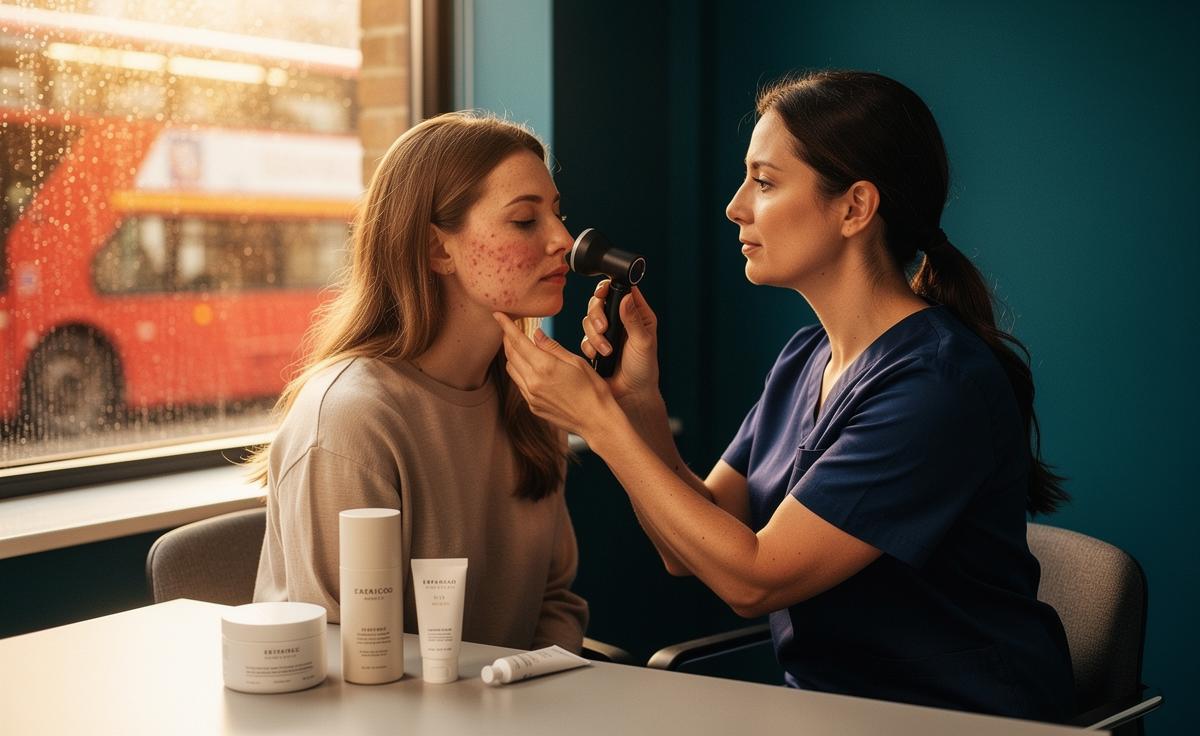
Across clinics from Belfast to Brighton, UK dermatologists are quietly rewriting the skincare rulebook with an approach rooted in evidence, access, and patient-friendly routines. Rather than hawking miracle fixes, they emphasise barrier-first care, smarter use of proven actives, and precision referrals for complex disease. In interviews this spring, consultants told me their biggest wins come from “doing less, better”: streamlining routines, correcting misuse of acids, and aligning treatments with NICE and British Association of Dermatologists (BAD) guidance. Daily sunscreen, fragrance-free emollients, and consistent follow-up now do more heavy lifting than cabinetfuls of trend-led serums. Here’s how that looks on the ground—complete with pragmatic tips you can apply tonight.
What UK Dermatologists Prioritise: Barrier-First, Evidence-Backed Care
Ask a UK consultant what moves the needle and you’ll hear the same refrain: simplify, protect, personalise. The foundation is a resilient skin barrier, built with fragrance-free emollients, gentle cleansers at a pH near skin’s own, and daily SPF 30+ with 4–5 UVA stars. It’s unglamorous—yet transformative—because irritated skin can’t tolerate even the best actives. Where actives are introduced, derms favour low-irritancy, high-yield molecules: azelaic acid for acne and rosacea; adapalene or prescription tretinoin for comedones and photoageing; and benzoyl peroxide in low strengths to curb resistance.
Case in point: Amira, 29, a producer in Manchester, arrived with stinging red patches after layering acids. Her consultant stripped her routine back to a non-foaming cleanser, ceramide-rich moisturiser, morning SPF, and night-time azelaic 15%. Within four weeks the burning stopped; by week eight, redness and papules halved. The lesson echoed by every registrar I met: if your barrier taps out, your progress stalls.
Derms also lean on behavioural tweaks. They discourage over-washing, recommend lukewarm showers, and build “habit stacks” (SPF next to keys; emollient by the bed). For sensitive or richly melanated skin, they prefer slow titration of retinoids and prioritise non-inflammatory options to avoid post-inflammatory hyperpigmentation.
Acne, Eczema, and Rosacea: Protocols That Actually Work
For acne, UK clinics start with combo therapy: a retinoid at night (often adapalene) plus morning benzoyl peroxide or topical antibiotic/benzoyl blends for limited periods. Nodulocystic or scarring cases may escalate to oral isotretinoin under tight MHRA safety protocols, including mood monitoring and pregnancy prevention. Consistency beats intensity—three months is a fair test.
Eczema (atopic dermatitis) management hinges on emollient “prescriptions,” fingertip-unit dosing of topical steroids, and rapid anti-itch plans to break flare cycles. Phototherapy or biologics like dupilumab are reserved for moderate-to-severe disease under consultant care. Triggers—hard water, fragranced detergents, wool—are mapped and gently reduced.
With rosacea, derms target vascular reactivity and microbes: metronidazole or ivermectin creams, azelaic acid, and brimonidine gel for persistent erythema. They coach patients on heat, alcohol, and skincare irritants. For telangiectasia, vascular lasers are considered—often privately.
Patch-test new products, introduce one change at a time, and photograph progress monthly. It’s standard practice in UK clinics and prevents mixed signals from overhauling everything at once.
| Concern | First-Line (UK) | OTC Allies | Red Flags → GP/ED |
|---|---|---|---|
| Acne | Adapalene; Benzoyl peroxide; Limited topical antibiotics | Niacinamide; Sulfur; Non-comedogenic SPF | Scarring, cysts, sudden severe flares |
| Eczema | Emollients; Topical steroids by potency | Colloidal oatmeal; Urea 5–10% | Infection (weeping, yellow crusts), fever |
| Rosacea | Metronidazole/Ivermectin; Azelaic; Brimonidine | Gentle cleansers; Mineral SPF | Eye involvement, rapid swelling |
Pigmentation and Aging: Why More Active Isn’t Always Better
Hyperpigmentation—especially post-inflammatory marks and melasma—ranks among the toughest complaints. UK derms dial back harsh exfoliation and prescribe a patient ladder: daytime SPF 30+ UVA 4–5 stars with reapplication, night-time retinoid, and adjuncts like azelaic acid or tranexamic acid. Hydroquinone is prescription-only in the UK and used judiciously in short cycles to minimise rebound. Without daily sunscreen, even perfect pigment routines backslide.
For photoageing, the backbone remains tretinoin or well-formulated retinal, plus antioxidants. Derms caution that vitamin C serums vary: L-ascorbic acid works best at pH ~3.5 in opaque, airtight packaging—otherwise you’re buying rust. Sensitive or richly melanated skin benefits from slower retinoid titration (e.g., twice weekly for a month), buffering with moisturiser, and pausing during irritation.
Pros vs. cons noted in clinic logs:
- Retinoids: Pros—collagen support, acne control; Cons—irritation, sun sensitivity early on.
- Chemical peels: Pros—speed; Cons—PIH risk in darker skin, downtime, operator-dependent.
- Lasers: Pros—precision for vessels/pigment; Cons—cost, variable suitability for skin of colour.
One London registrar summed it up: “Fewer bottles, tighter sun habits, and patience outpace maximalism every time.”
Access, Teledermatology, and Costs: Navigating NHS and Private Care
Pathways matter as much as products. For persistent or severe disease, UK patients typically start with a GP who can initiate first-line therapy and refer to NHS dermatology when red flags or treatment failures appear. Community pharmacies increasingly support minor flares, while teledermatology—secure photo triage and video consults—accelerates suspected cancer and inflammatory cases in many trusts. Waits vary by region; some patients opt for private consultations, typically ranging from about £150–£300 for an initial visit, to fast-track isotretinoin work-ups, patch testing, or laser assessments.
Isotretinoin remains tightly governed. Clinics follow MHRA measures—counselling, mood checks, and robust contraception where relevant. Patients keep labs punctual and moisturisers plentiful; clinicians keep dosing personalised to reduce relapse. For eczema, access to phototherapy or biologics depends on severity and prior response, with shared decision-making at its core.
Choosing settings wisely saves money and stress:
- NHS: Comprehensive, guideline-led, ideal for chronic disease and patch testing.
- Private: Speed, choice of procedures, but variable cost and availability.
- Hybrid: Use NHS for long-term management; go private for targeted procedures (e.g., vascular laser).
Photograph rashes in good light, list tried treatments, and bring a simple routine to your appointment. This preps clinicians to act decisively—often at the very first visit.
In clinics from the Highlands to Hackney, the winning formula is surprisingly straightforward: a calmer barrier, proven actives used correctly, smart escalation pathways, and honest conversations about lifestyle triggers. The result is fewer flares, steadier gains, and less money wasted on skincare roulette. UK dermatology’s quiet revolution is about doing the basics brilliantly—and only then layering in the clever stuff. As you look at your own routine, which single change—daily SPF, a gentler cleanser, or measured retinoid use—could you commit to for the next eight weeks, and what would success look like for your skin?
Did you like it?4.4/5 (26)